Home K Tips K Solid Teak vs Reclaimed Teak: What Hotel Buyers Need to Know

Solid Teak vs Reclaimed Teak: What Hotel Buyers Need to Know

May 19, 2026 | Tips

A practical framework for boutique hotel procurement teams choosing between predictability and provenance.

Most boutique hotel procurement teams I work with want both: the sustainability narrative of reclaimed teak, and the predictable performance of solid teak. Specifying them well together is harder than it sounds.

This question comes up in nearly every project briefing I sit in on. The buyer wants the property to feel grounded, storied, and environmentally considered. They also want the furniture to behave consistently through the first refurbishment cycle. Solid teak and reclaimed teak both belong in the hospitality FF&E toolkit, but they solve very different problems. Using them interchangeably is the most common mistake I see in spec books.

What follows is a working framework I share with procurement leads who are trying to choose between the two, or use them in combination on the same property.

What Reclaimed Teak Actually Is (And What It Isn’t)

Before comparing anything, it’s worth being precise about terminology, because the market is loose with it.

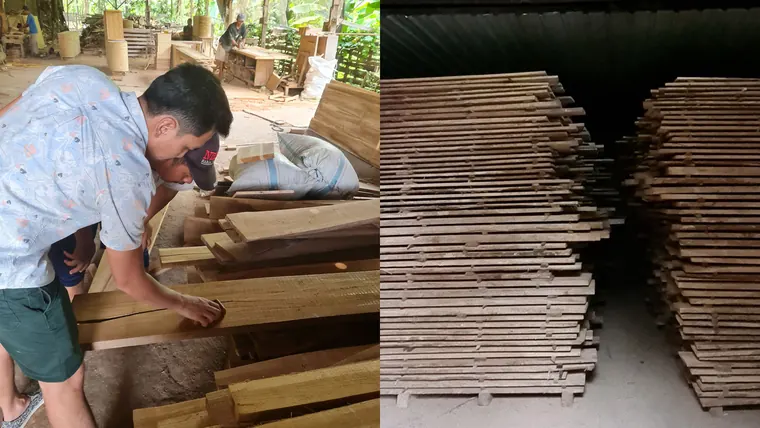
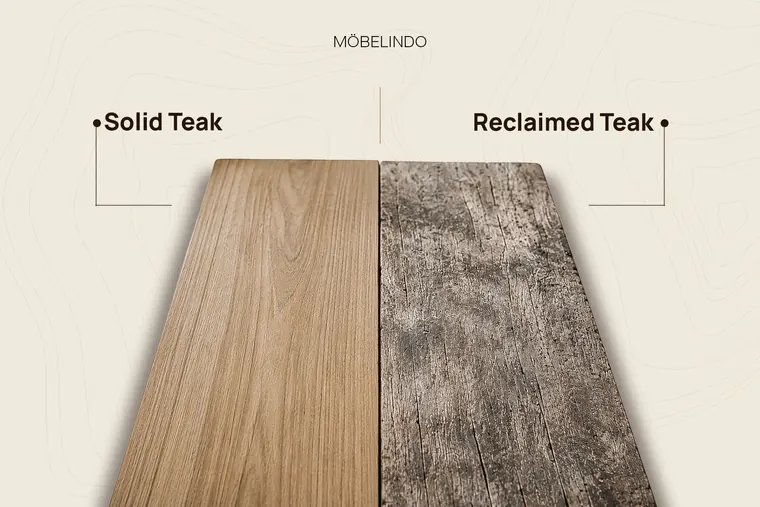
In Indonesia, reclaimed teak typically comes from one of four sources: dismantled old Javanese houses (joglo and limasan), colonial-era structures, decommissioned fishing boats, or rural building demolitions. The wood has lived through decades of monsoon cycles, joinery stress, and in the case of boats, saltwater exposure. That history is exactly what creates the visual character buyers are drawn to. It is also the source of every complication that comes later.

Reclaimed teak is not the same as FSC-certified plantation teak harvested under managed forestry programs. Both can be marketed as “sustainable,” but they tell different stories and behave differently in production. Some suppliers blur the distinction, especially when communicating with overseas buyers. Asking direct questions about source documentation matters.

A reclaimed teak supplier should be able to tell you, at minimum: where the wood originated, the approximate age range of the material, whether it has been previously treated or sealed, and how the supplier handles metal detection and removal. If those answers are vague, the material is likely a mix of sources blended for visual consistency, which is a separate conversation about authenticity.

Solid Teak: The Predictable Choice

Solid teak in our context usually means Java plantation teak, managed by Perhutani, the state forestry corporation. It is a known quantity in ways that matter to procurement teams.

Cycle time is consistent. Grain density falls within a known range. Moisture behavior is predictable through kiln drying. Finish acceptance, whether you are applying oil, lacquer, or a water-based topcoat, behaves the same way from board to board.

For a procurement lead specifying a 200-piece order across guest rooms, this consistency is not a minor benefit. It is the entire reason solid teak commands its price. Each unit you receive will look, feel, and age like every other unit in the order. Refinishing in year five will behave the same across all 200 pieces. This sounds obvious until you have managed a property where it isn’t true.

Solid teak also offers design freedom. You can specify almost any dimension, joinery method, or curve, because the raw stock allows it. Larger sectional pieces, longer table tops, and structural elements with load requirements are all feasible without compromise.

The cost premium is real. Solid teak from Java is meaningfully more expensive than alternative tropical hardwoods, and often more expensive than reclaimed teak of comparable visual grade. What you are buying is reliability across the production run, faster sample-to-bulk turnaround, and lower failure rates at quality inspection. For functional pieces that need to perform consistently across many units, the math usually works.

Reclaimed Teak: Character With Caveats

Reclaimed teak carries something new wood cannot manufacture: visible time. The patina from decades of weathering, the irregular grain patterns, the small evidence of previous joinery. For a boutique brand whose marketing leans on provenance, age, or environmental story, this is genuinely valuable creative material.

There are three things buyers should understand before specifying reclaimed teak heavily in a project.

Grain variability. Reclaimed teak rarely refinishes evenly. Different sections of the same board absorb stain and finish differently because the wood has been through varied conditions over its life. This can be designed around (clear finishes and oil treatments often work better than stains), but it limits some finishing options that would be straightforward with solid teak.

Hidden stress. Wood that has sat in a structure for forty or eighty years has internalized that environment. When it gets cut, sanded, and rejoined, those stresses can release. Pieces can warp, twist, or crack weeks into production, sometimes after the piece has already been assembled. A reputable manufacturer accounts for this with extended acclimation periods and more conservative machining, but it adds time and cost.

Embedded metal. Old nails, screws, and fasteners are common in reclaimed material. Good suppliers use metal detection equipment to find and remove these before the wood reaches the production line, but the process is imperfect. Missed metal damages cutting equipment and can leave rust staining that becomes visible months later.

The labor cost of properly preparing reclaimed teak is significantly higher than working plantation teak. Any supplier offering reclaimed teak at solid teak prices is cutting corners somewhere, usually on metal detection, acclimation time, or both. Reclaimed teak, used well, is a beautiful material. Used poorly, it generates the warranty claims that procurement teams remember for a long time.

Decision Framework: Match the Material to the Use Case

After enough projects, you learn that the question is rarely “solid or reclaimed.” It is “which material for which application.” Here is the working framework I share with procurement teams starting on a new property.

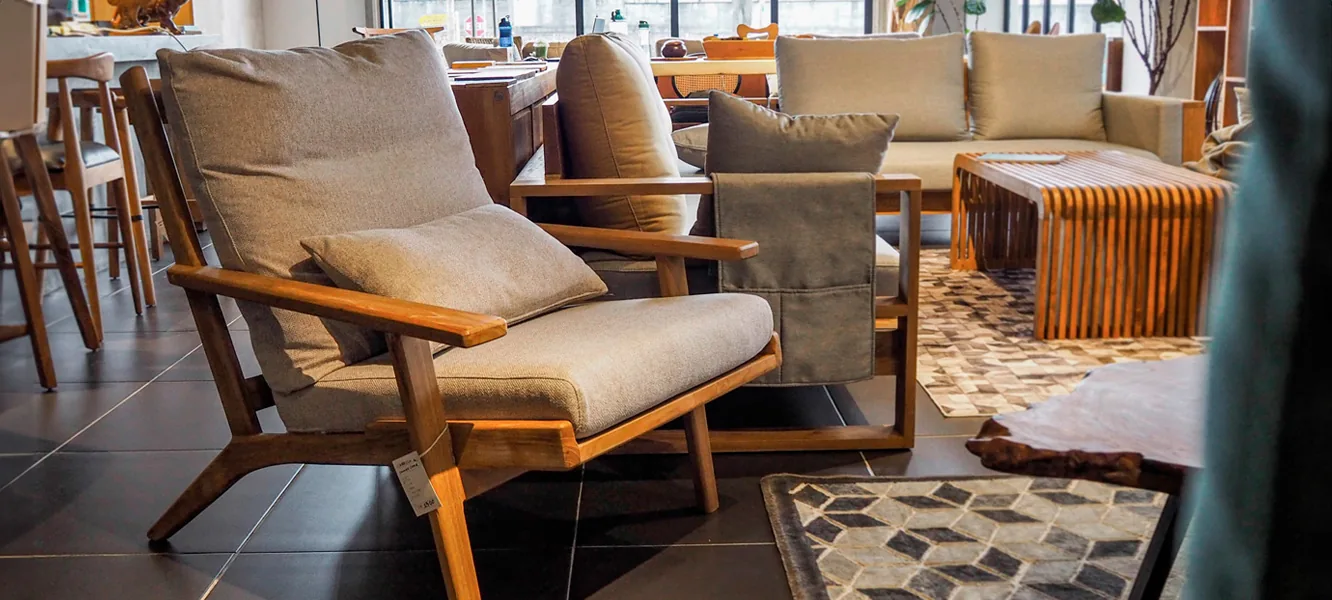
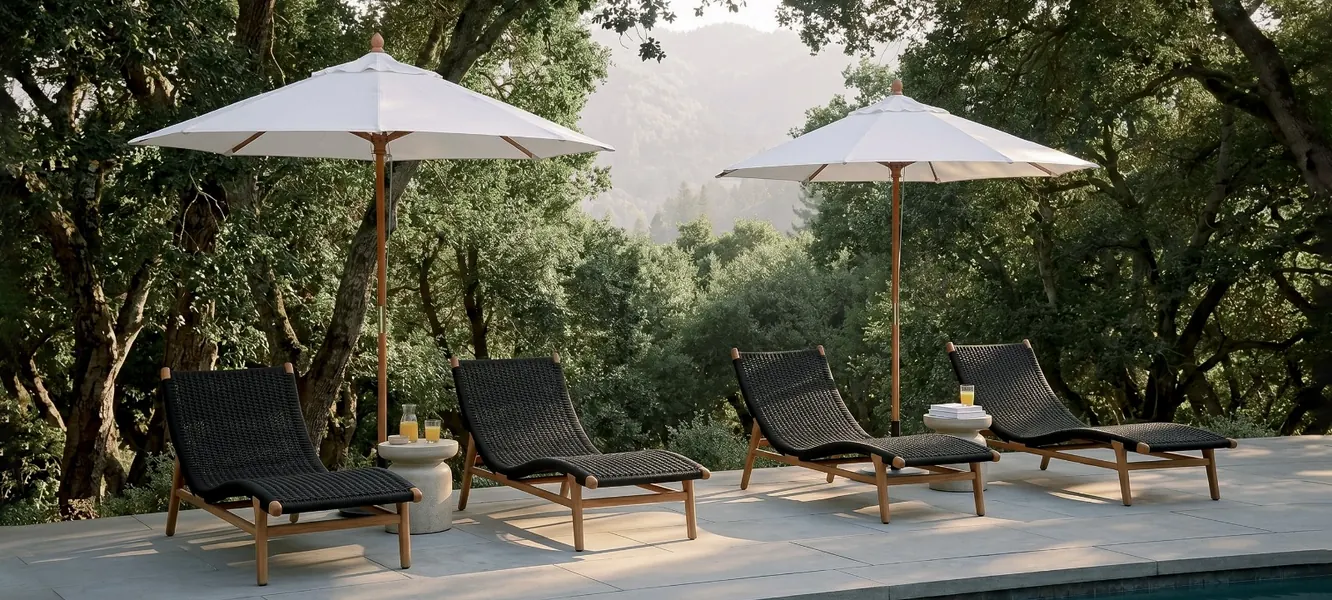
Outdoor Furniture and Pool Decks: Solid Teak, No Exceptions

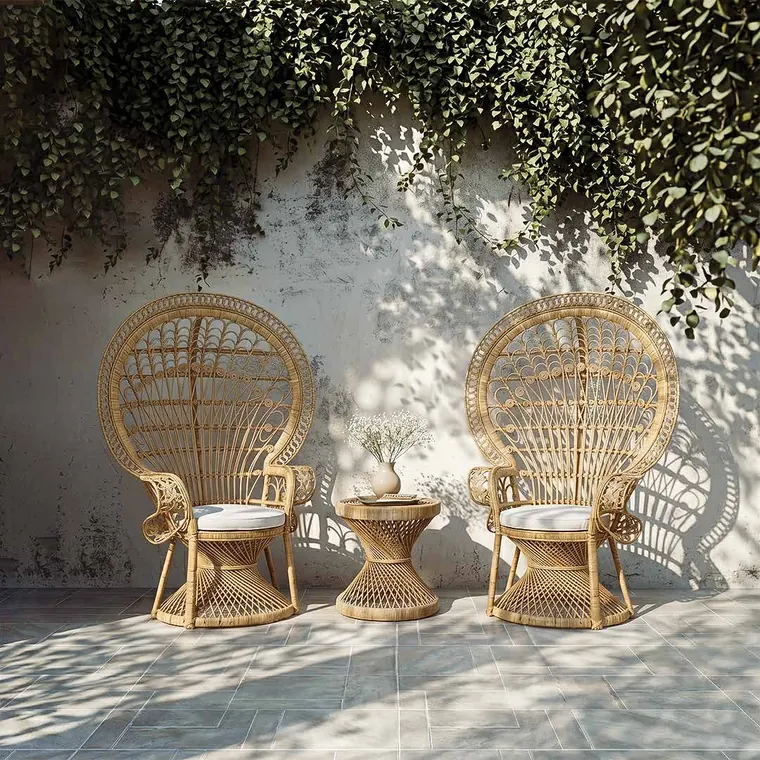
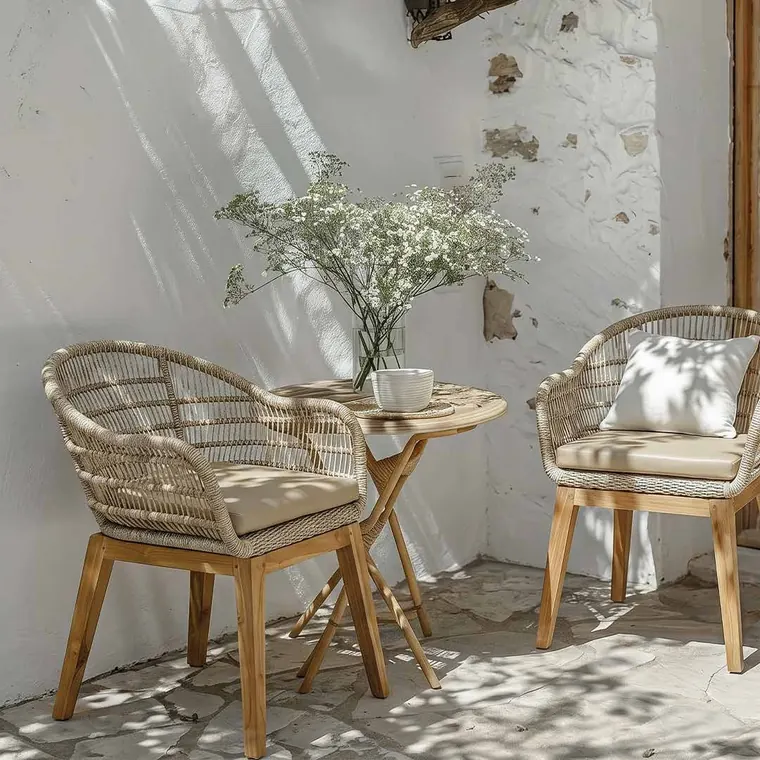
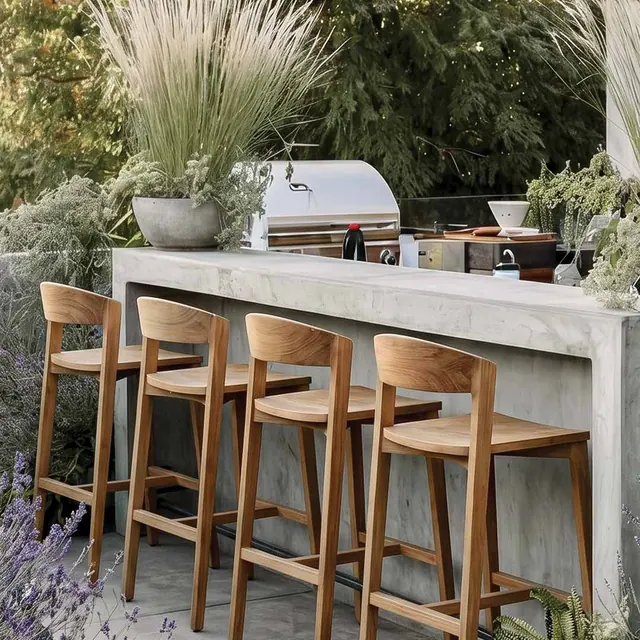
The weather cycle is unforgiving. Daily temperature swings, UV exposure, rain, humidity. Any hidden stress in the wood will surface within the first eighteen months. Solid teak from a plantation source, properly dried and finished, handles these conditions because its history is known and controlled. Reclaimed teak in these applications is a liability buyers usually regret.

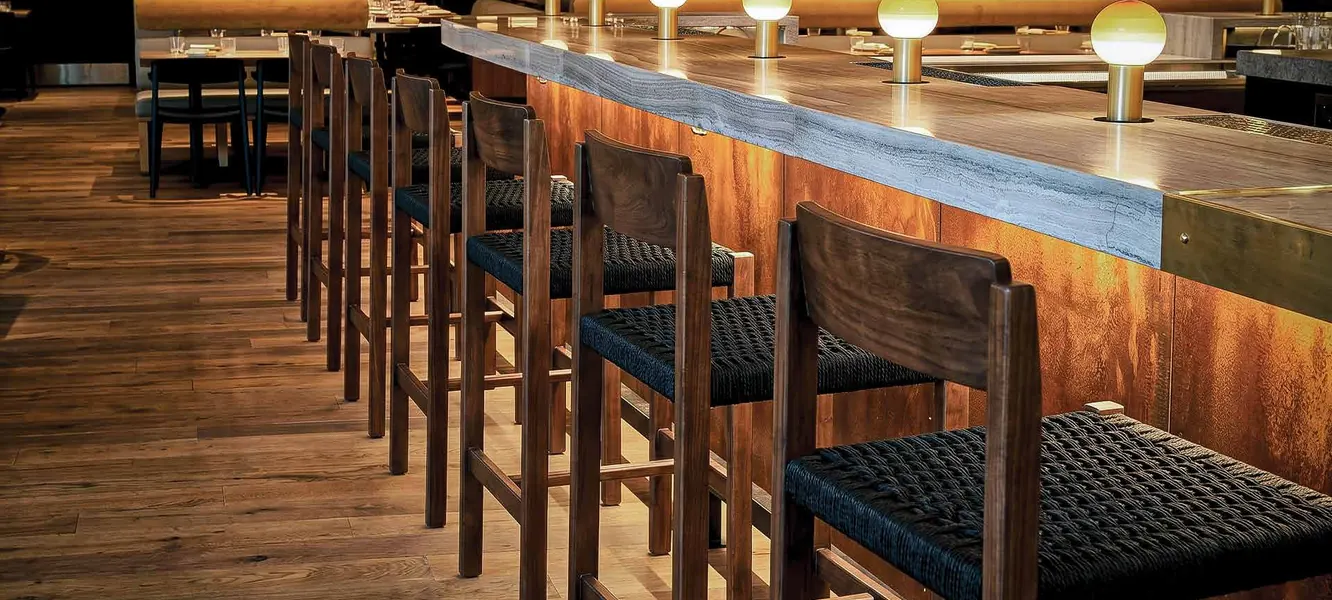
Restaurant Tables and Bar Tops: Solid Teak

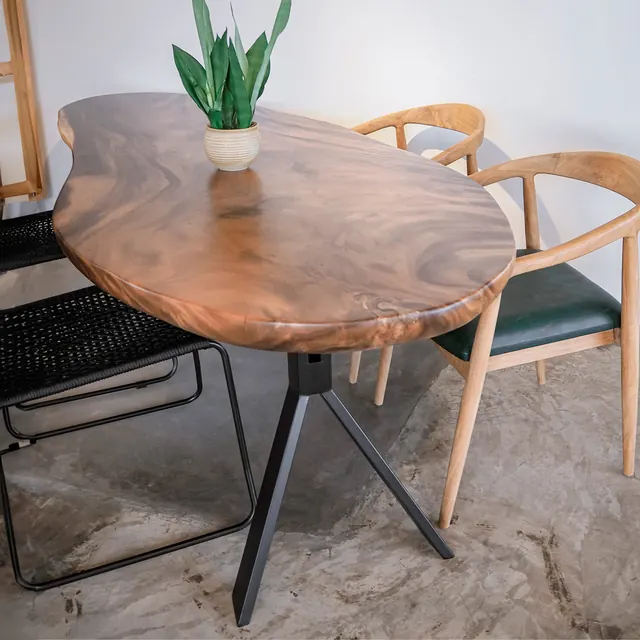
High-traffic F&B furniture takes daily abuse: hot plates, spilled wine, repeated wiping, occasional knife scrapes. The surface needs to refinish cleanly when the time comes, and that refinishing needs to happen consistently across thirty or fifty tables. Solid teak gives you that consistency. Reclaimed teak doesn’t.

Guest Room Casegoods, Wardrobes, Desks, Headboards: Solid Teak

Repeatability across rooms is the unspoken requirement here. You do not want room 412’s headboard behaving differently from room 312’s after six months. Solid teak from a controlled source ensures the rooms feel like a coherent set. This is also the largest piece-count category in most properties, which is where consistency pays off most.

Lobby Hero Pieces, Suite Accents, Statement Walls, Signature Furniture: Reclaimed Teak

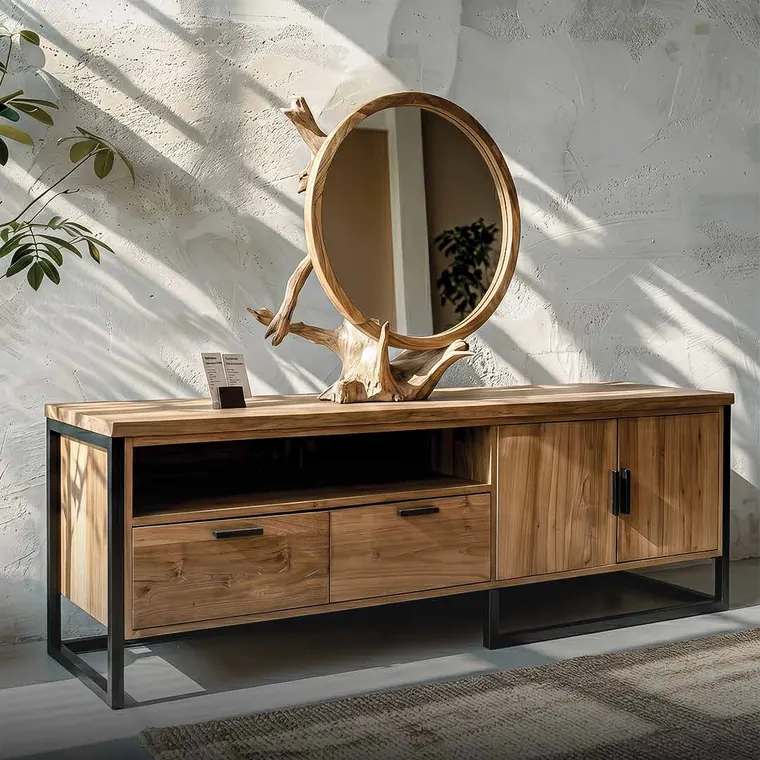
This is where reclaimed teak earns its place. A single sculpted lobby bench, a feature wall behind reception, a one-off suite desk, a bar counter front. Lower piece counts, higher creative latitude, and guest-facing surfaces that benefit from visible character. The cost per piece can absorb the extra labor that reclaimed requires, and the variability that would be a problem in volume production becomes part of the story in a single hero piece.

Spa Furniture, Quiet Spaces, Reading Nooks: Either, Depending on Brand

This is the category where brand identity drives the decision more than the material’s technical profile. If your brand is rooted in nature, age, and provenance, reclaimed teak adds warmth to these spaces. If your brand is rooted in calm modernism or minimalism, solid teak with a clean finish does the work better.

The Hybrid Approach: 80 Percent Solid, 20 Percent Reclaimed

The procurement teams who navigate this best usually arrive at a similar ratio: roughly 80 percent solid teak for the functional spine of the property (guest rooms, F&B, outdoor, back-of-house), and roughly 20 percent reclaimed teak for the visible storytelling moments (lobby, signature pieces, brand-defining spaces).

This split achieves several things at once.

It protects you operationally. The bulk of the property is built from a predictable material, which means production schedules hold, refinishing in year five is straightforward, and warranty claims stay rare.

It preserves the sustainability narrative. Plantation teak from Perhutani comes with chain-of-custody documentation. Reclaimed teak comes with provenance documentation. Both are legitimate sustainability stories, and you can communicate them clearly to guests and brand partners without overstating either.

It manages cost intelligently. The pieces where reclaimed teak’s higher labor cost is hardest to justify (high piece counts, simple functional forms) get the more efficient material. The pieces where reclaimed teak’s character creates real guest experience value get the premium attention.

Specifying both is more work for the procurement team than committing to one. You manage two supplier conversations, two documentation streams, two finishing protocols. The properties that get this right look and feel deliberate. The properties that try to use reclaimed teak as a blanket solution, or that ignore reclaimed teak entirely, miss something either way.

A Note on Choosing Suppliers

Whichever direction you go, the supplier conversation matters more than the material conversation. A solid teak supplier who skips proper kiln drying delivers warping problems that look identical to reclaimed teak’s stress release. A reclaimed teak supplier who skips metal detection and acclimation creates failures that look identical to bad solid teak.

The questions worth asking are not material-specific. They are process-specific. How is the wood dried, and to what moisture content. How is the wood acclimated before machining. What is the metal detection protocol for reclaimed material. What is the chain-of-custody documentation. What is the failure rate at QC, and how is it tracked over time.

A supplier who answers these clearly and consistently is usually the same supplier who delivers furniture that performs predictably, regardless of which teak you specified.

Closing Thought

If you are working on a property that needs both materials specified well, the conversation worth having early is not about volume or price. It is about which moments in the guest experience deserve the character of reclaimed teak, and which moments need the consistency of solid teak. Get that mapping right at the briefing stage, and the rest of the procurement process becomes much simpler.

Frequently Asked Questions

Is reclaimed teak more sustainable than solid teak?

Both can be sustainable, but they tell different stories. Reclaimed teak diverts existing wood from waste streams and avoids new harvesting. FSC-certified plantation teak, like that from Perhutani in Java, comes from managed forestry programs designed for long-term yield. Neither is automatically more sustainable than the other. What matters is documentation and chain of custody.

Why does reclaimed teak sometimes cost less than solid teak, despite the extra labor?

The raw material can be less expensive depending on source, but the labor cost to properly prepare reclaimed teak (metal detection, extended acclimation, careful machining) is significantly higher. When reclaimed teak appears cheaper at the retail level, it usually means the supplier has shortened one of those preparation steps.

Can reclaimed teak be used for outdoor hotel furniture?

Technically yes, but it is not recommended for hospitality outdoor applications. Hidden stresses in reclaimed wood tend to surface under the cycling of outdoor weather, leading to warping, cracking, or finish failure within the first two years. Solid plantation teak is the safer choice for any outdoor specification.

What documentation should I ask for when specifying teak for a hotel project?

For solid teak: FSC chain-of-custody certificates, kiln drying records, and moisture content readings at production. For reclaimed teak: source documentation (where the wood came from), metal detection protocol description, and acclimation period records. A reputable supplier provides all of these without friction.

How do I balance cost and quality when specifying teak for a boutique hotel?

The hybrid approach (roughly 80 percent solid teak for functional pieces, 20 percent reclaimed teak for hero pieces) tends to balance cost, performance, and brand narrative most effectively. Specifying reclaimed teak across an entire property usually exceeds the budget and creates operational risk. Specifying solid teak everywhere works, but leaves storytelling value on the table.

0 Comments

Submit a Comment

Your email address will not be published. Required fields are marked *

Home
Company
Catalogue
Contact
Member